

On April 17, 2026, Ho Chi Minh City University of Natural Resources and Environment (HCMUNRE) organized a reception and working session with the Asian Institute of Technology (AIT). The meeting aimed to strengthen the cooperative relationship between the University and the international partner in the fields of education and scientific research, while also exchanging orientations for program development and scholarship opportunities for students.
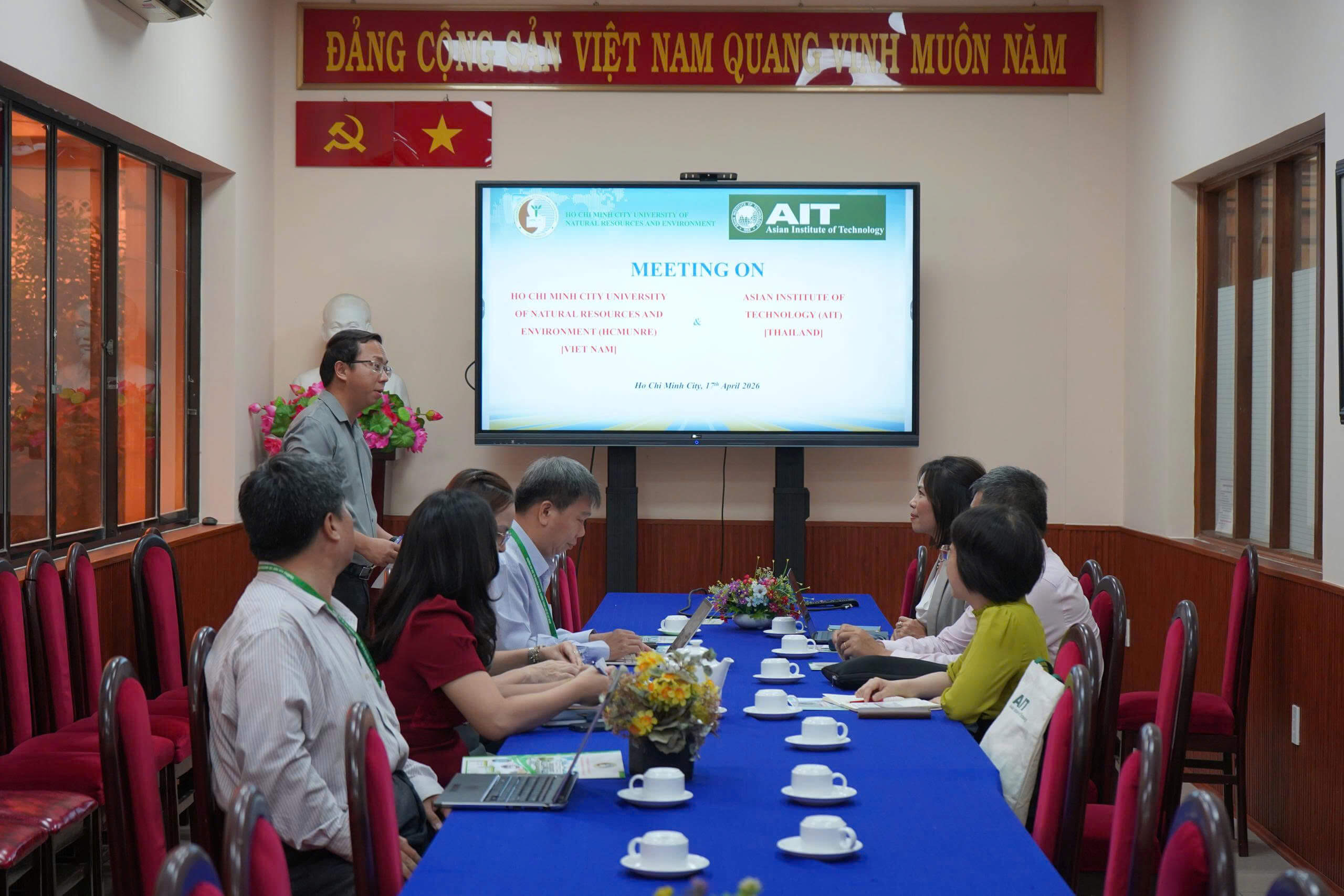
Figure 1. Overview of the working session between the two parties
The meeting took place in a formal and professional atmosphere, with the participation of university leaders, administrators, and faculty members. Attendees included: Assoc. Prof. Dr. Le Hoang Nghiem – Vice Rector; Dr. Le Thi Kim Thoa – Deputy Head of the Office of Science, Technology and International Relations; Dr. Nguyen Thi Phuong Thao – Deputy Head of the Faculty of Meteorology, Hydrology and Water Resources; Dr. Nguyen Thanh Ngan – Lecturer of the Faculty of Environment; Dr. Tran Thi Minh Ngoc – Lecturer of the Faculty of Environment, along with other staff and lecturers.
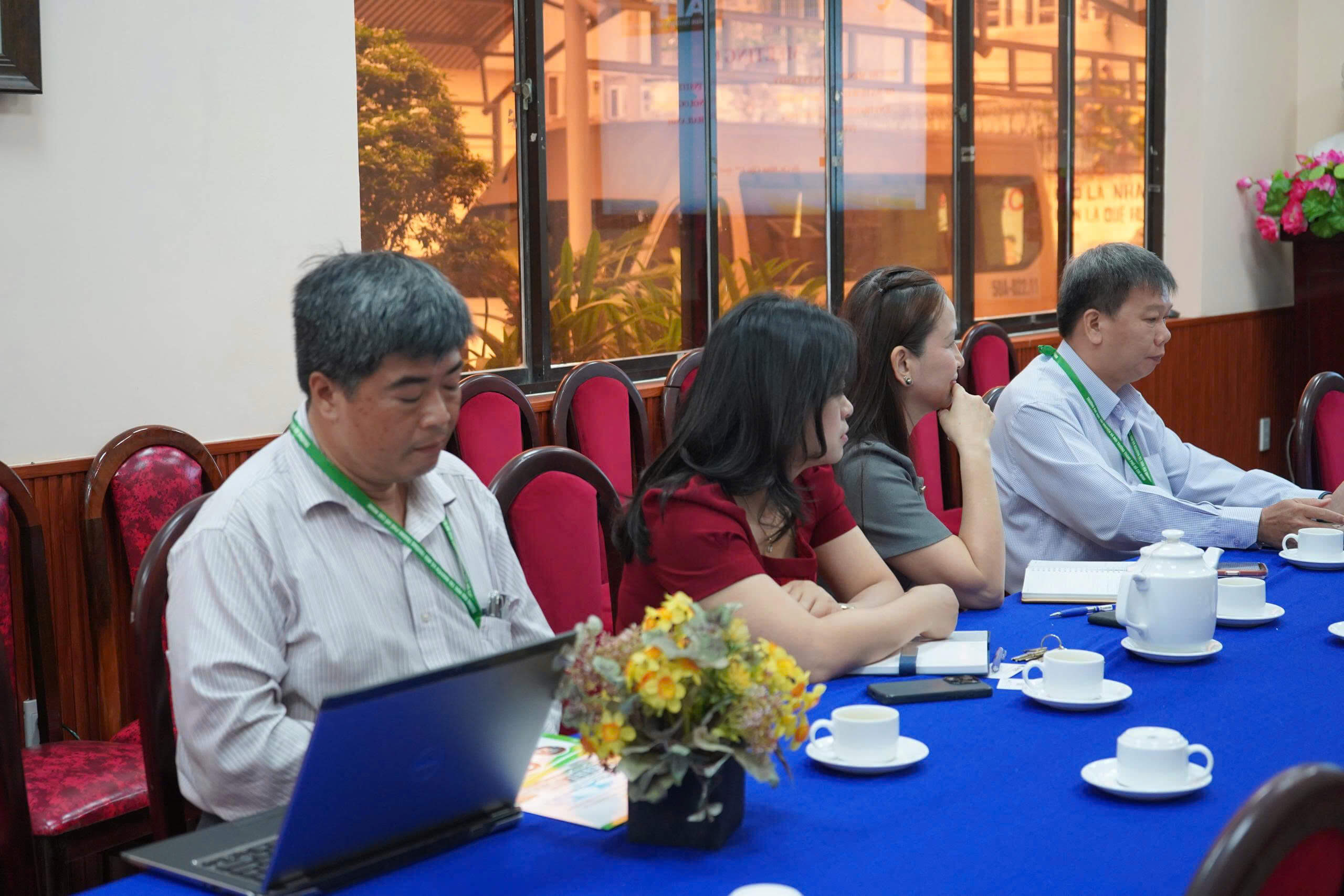
Figure 2. Representatives of Ho Chi Minh City University of Natural Resources and Environment
From the partner side, participants included Ms. Nguyen Thi Phuoc Lai – Dean of the Faculty of Public Policy and Sustainable Development; Mr. Le Thanh Quyen – President of the AIT Alumni Association in Vietnam; and Ms. Nguyen Hoang My Phuong – Doctoral Researcher at AIT.
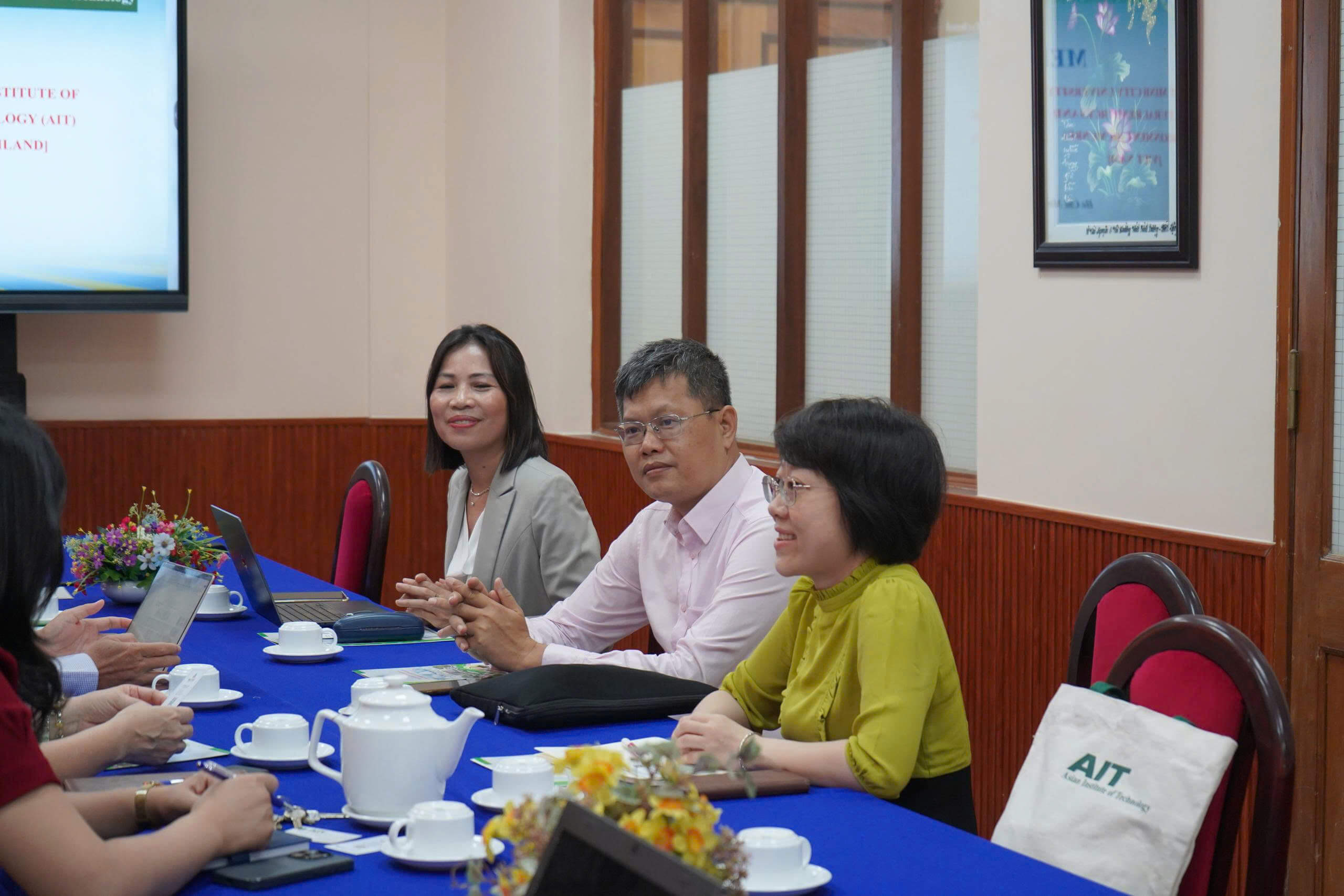
Figure 3. Representatives of the Asian Institute of Technology (AIT)
At the meeting, representatives of AIT introduced an overview of their academic programs, which are designed with an interdisciplinary approach, closely integrating management, economics, and sustainable development. Accordingly, the curriculum includes key areas such as policy foundations and analysis, with courses on policy analysis fundamentals, microeconomics and macroeconomics for public policy, policy design, and impact evaluation. In addition, the program covers governance and administration, including courses on institutions and governance, policy implementation, public administration, ethics, and policy advocacy.
The program also emphasizes communication and community engagement through courses on policy communication and public participation. At the same time, development and sustainability topics are integrated, including climate and environmental policy, rural development, innovation, social policy, and inclusive economic development. Furthermore, learners are exposed to technology and urban-related fields such as digital governance, artificial intelligence (AI), urban policy and infrastructure, along with both quantitative and qualitative policy research methods.
Notably, the program expands into specialized areas such as planning and development management, poverty reduction and sustainable livelihoods, social ecosystems, resilience, and social equity, thereby equipping learners with comprehensive knowledge and adaptability to current development challenges.
In addition to academic content, AIT representatives also shared various scholarship opportunities for international students. The Public Policy Research Program offers multiple full scholarships covering tuition fees, living expenses, and research funding, with support of approximately 1.0 million THB over 22 months for Master’s programs and about 1.96 million THB over 41 months for Doctoral programs. In addition, AIT provides partial scholarships covering 50% to 75% of tuition fees.
Students may also access scholarship programs from the Thai Government, such as the King’s scholarships for Doctoral programs, the Queen’s scholarships for Master’s programs, and the RTG scholarships for Thai applicants. Additionally, there are scholarships from international organizations and other governments, including ADB-JSP, DAAD (Germany), and the Chinese Government Scholarship (CSC). Notably, for some AIT scholarship programs, applicants are not required to submit a separate scholarship application.
During the discussion, both parties agreed that strengthening cooperation in education and research would contribute to improving the quality of human resources, while creating opportunities for students to access an international learning environment and expand their academic and career prospects.
At the same time, both sides oriented toward promoting long-term cooperation through the development of joint training programs, academic exchanges, and scholarship support, aiming for sustainable development and international integration in education and research.
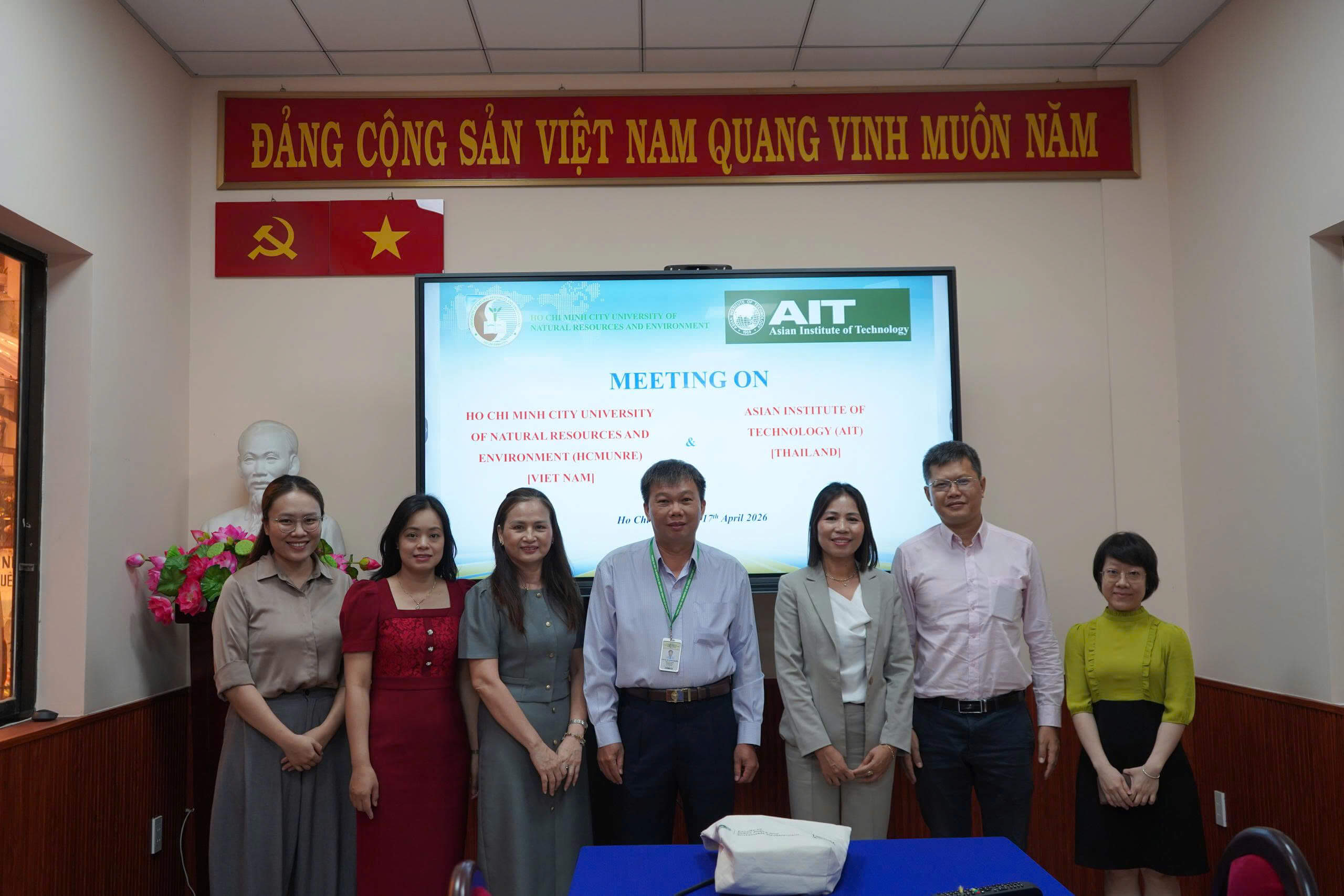
Figure 4. Representatives of both parties taking a commemorative photo after the meeting
At the end of the session, representatives of both parties expressed their desire to soon implement the discussed cooperation activities, contributing to building a practical, effective, and long-term partnership, while opening up more learning and development opportunities for students in the near future.