

On November 19, 2025, Ho Chi Minh City University of Natural Resources and Environment (HCMUNRE) held a reception and working session with Kaihatsu Management Consulting Vietnam Company (KMC) and CITIC Company to exchange and discuss cooperation related to the utilization of domestic sewage sludge for the development of S-agent products under the project titled “Survey Verification of Business Activities for Sustainable Development in the Private Sector to Research, Produce, and Disseminate a Product to Enhance Septic Tank Functionality Made from Microbiological Waste in Vietnam.”
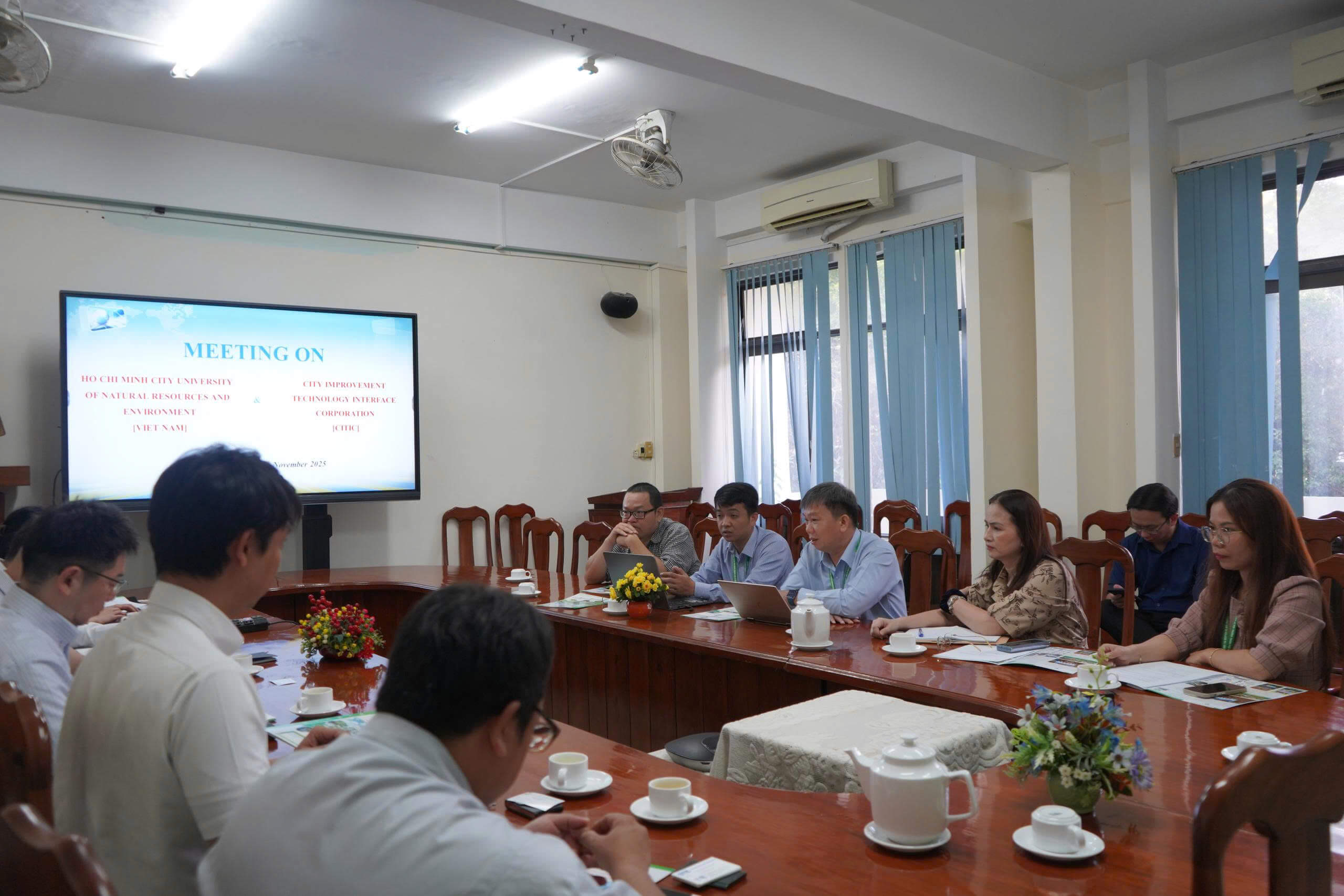
Figure 1 – Overview of the working session
Representing HCMUNRE were Assoc. Prof. Dr. Le Hoang Nghiem, Vice President; Dr. Le Thi Kim Thoa, Deputy Head of the Department of Science, Technology Management and External Relations; Dr. Tran Thanh Tam, Deputy Head of the Department of Science, Technology Management and External Relations; M.A. Nguyen Thi Hoai Thanh, Vice Dean of the Faculty of Economics; and Dr. Ngo Dinh Ngoc Giao, Lecturer at the Faculty of Environment, along with other staff members of the university.
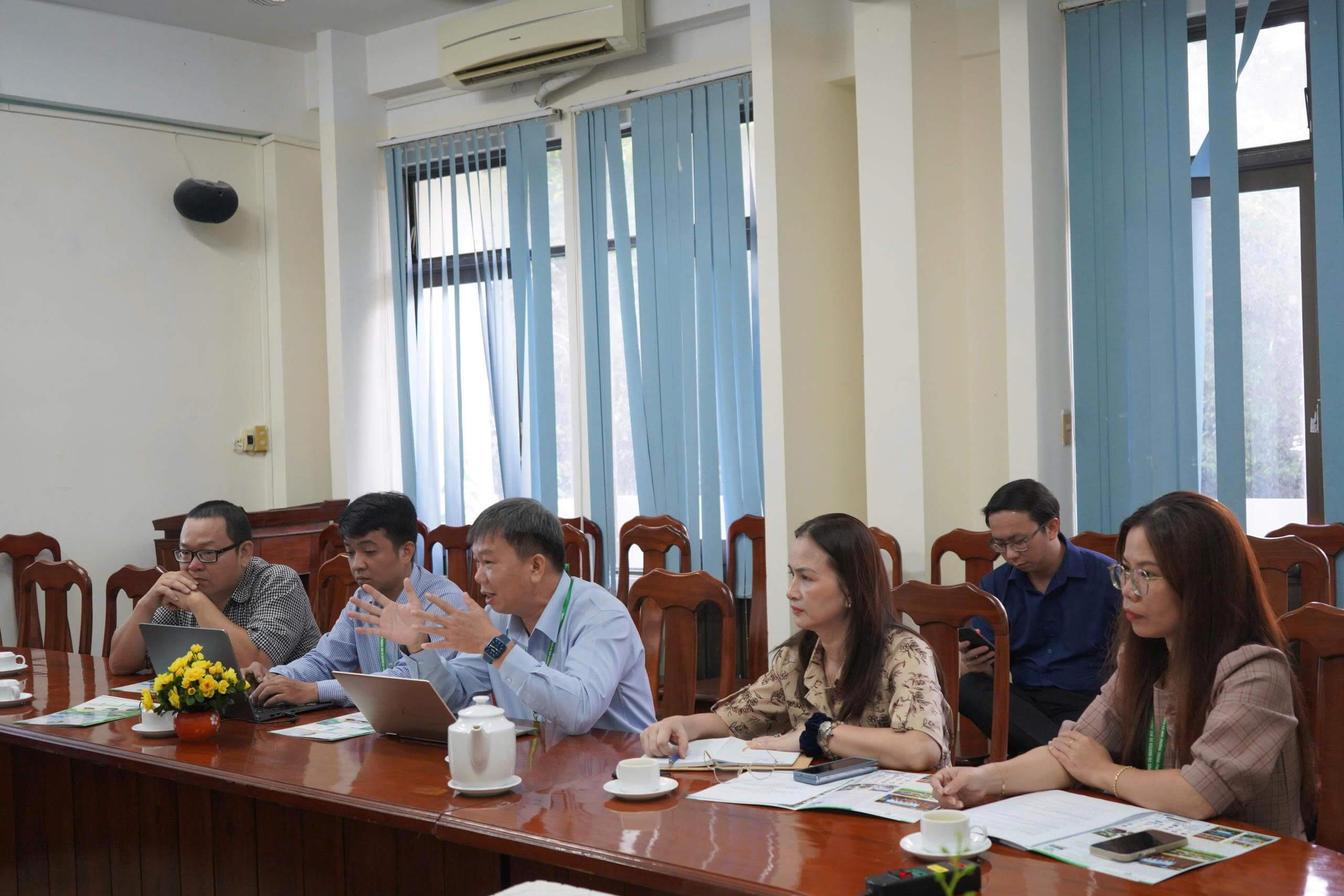
Figure 2 – Representatives of HCMUNRE.
Representatives from Kaihatsu Management Consulting Vietnam Company included Mr. Nagakura Soh, Market Demand Analyst of KMC Company, and Mr. Do Thu Mac, Project Consultant. From CITIC Company, the participants were Mr. Takebe Fumihiko, Project Leader, and Mr. Hisai Hiroyuki, Technical Manager. Other participants included Mr. Aotsu Mitsuru, Head of the Project Consulting Board at Ingerosec Company, and Ms. Iino Emi, Project Value Chain Analyst at DCT Company.
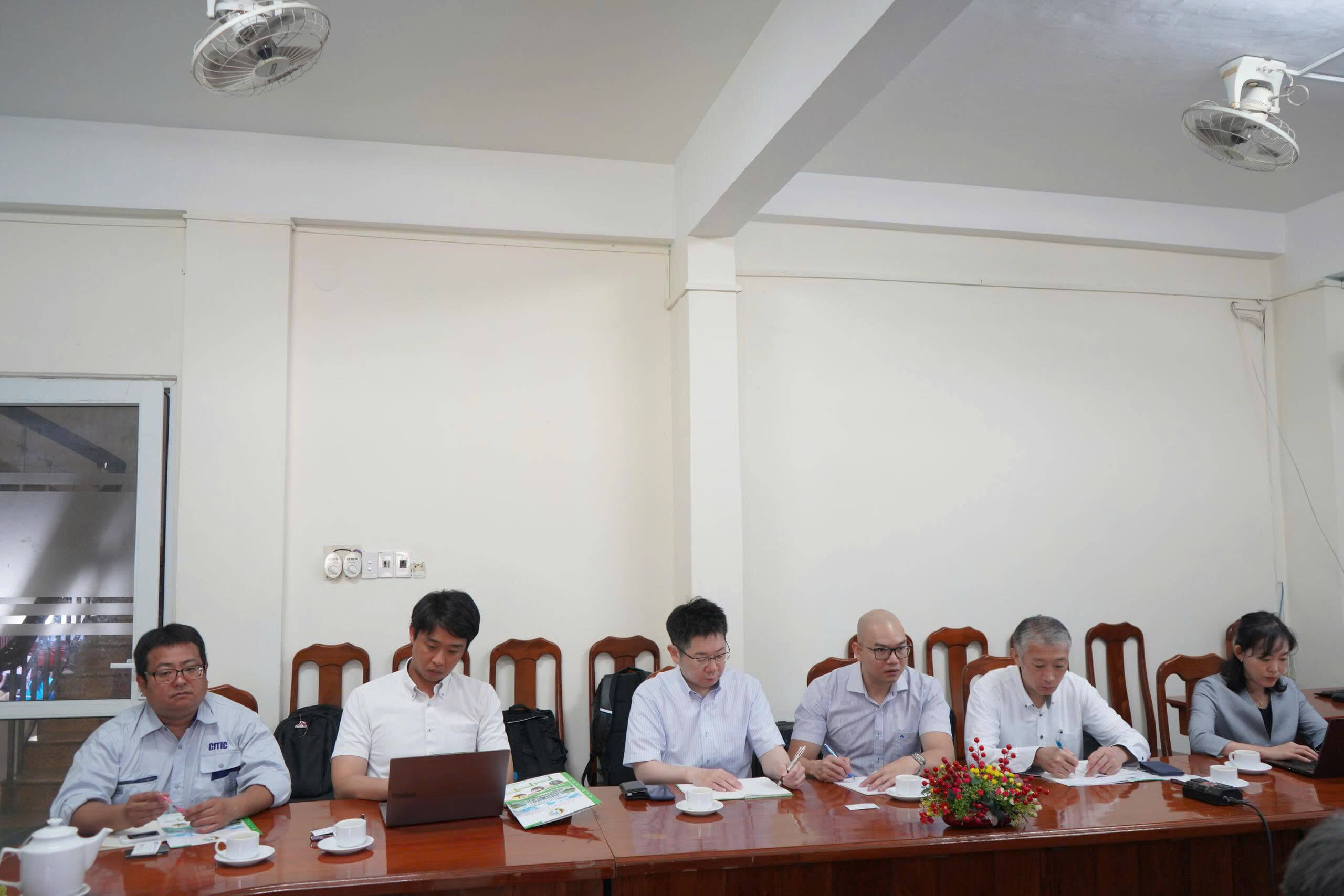
Figure 3 – CITIC Company and KMC Company
During the session, the working agenda was updated to include CITIC Company as the primary project partner. Discussions focused on the progress of the aforementioned project, reviewing completed tasks, outstanding components, technical requirements, and resource needs to maintain alignment with the project timeline.
The meeting also provided an opportunity for deeper discussion on the potential expansion of cooperation in non-hazardous sludge recycling research, with the aim of developing effective waste treatment models for residential communities and production facilities. Both sides recognized this as a high-potential area contributing to sustainable development goals, particularly in the context of Vietnam’s growing need for waste treatment and enhanced sanitation system performance.
A key part of the discussions was the coordination framework between the units. The parties clarified procedural steps, coordination mechanisms, data exchange methods, responsibilities of each side, and compliance requirements. These discussions aimed to establish a unified and standardized workflow to ensure effectiveness and minimize challenges during implementation.
Furthermore, both sides agreed to continue close collaboration in finalizing the project registration documents and related procedures, ensuring adherence to current regulations and alignment with the project’s planned schedule.
The meeting concluded with a strong consensus on maintaining regular communication, providing progress updates, and coordinating promptly to address any emerging issues. The working session demonstrated the commitment, goodwill, and cooperative spirit of both units in advancing research and development efforts toward environmentally friendly solutions that meaningfully contribute to Vietnam’s sustainable development goals.
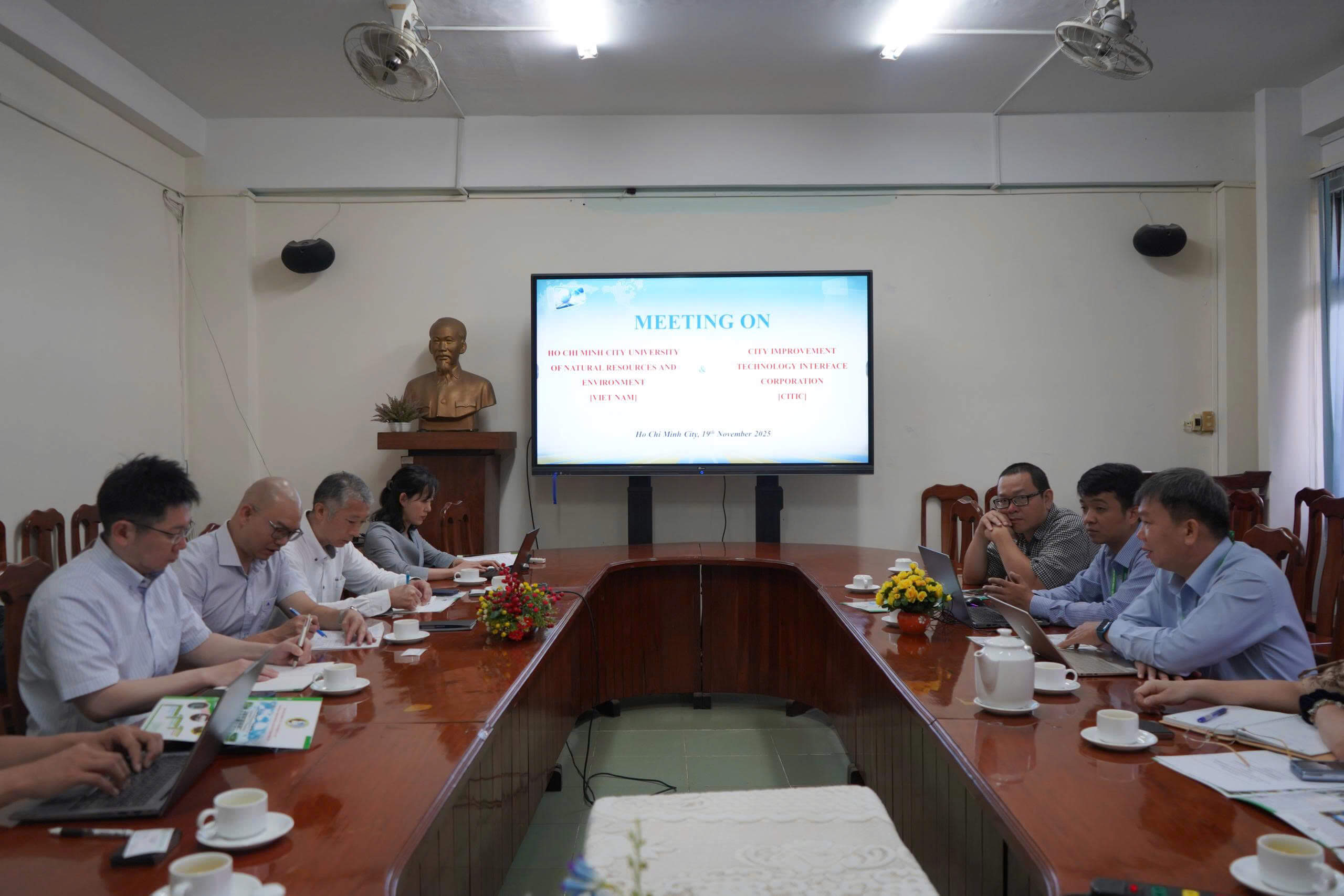
Figure 4 – Summary of representatives from both units.
The working session took place in a constructive and professional atmosphere, centering on project-progress evaluation and future plans. Both sides reviewed remaining tasks, resource needs, and technical specifications, while also exploring opportunities for broader collaboration in non-hazardous sludge recycling with a focus on environmental technology development.
Based on the discussions, both parties expressed a high level of agreement and reaffirmed their commitment to maintaining close coordination and regular communication. The two sides will continue working together to finalize the project registration documents in the near future, ensuring compliance with regulations and timely implementation in accordance with the established plan