

On November 17, 2025, Ho Chi Minh City University of Natural Resources and Environment (HCMUNRE) held an official reception and working session with Dong-Eui University (DEU) and MekongLink Glocal Inc., Korea.
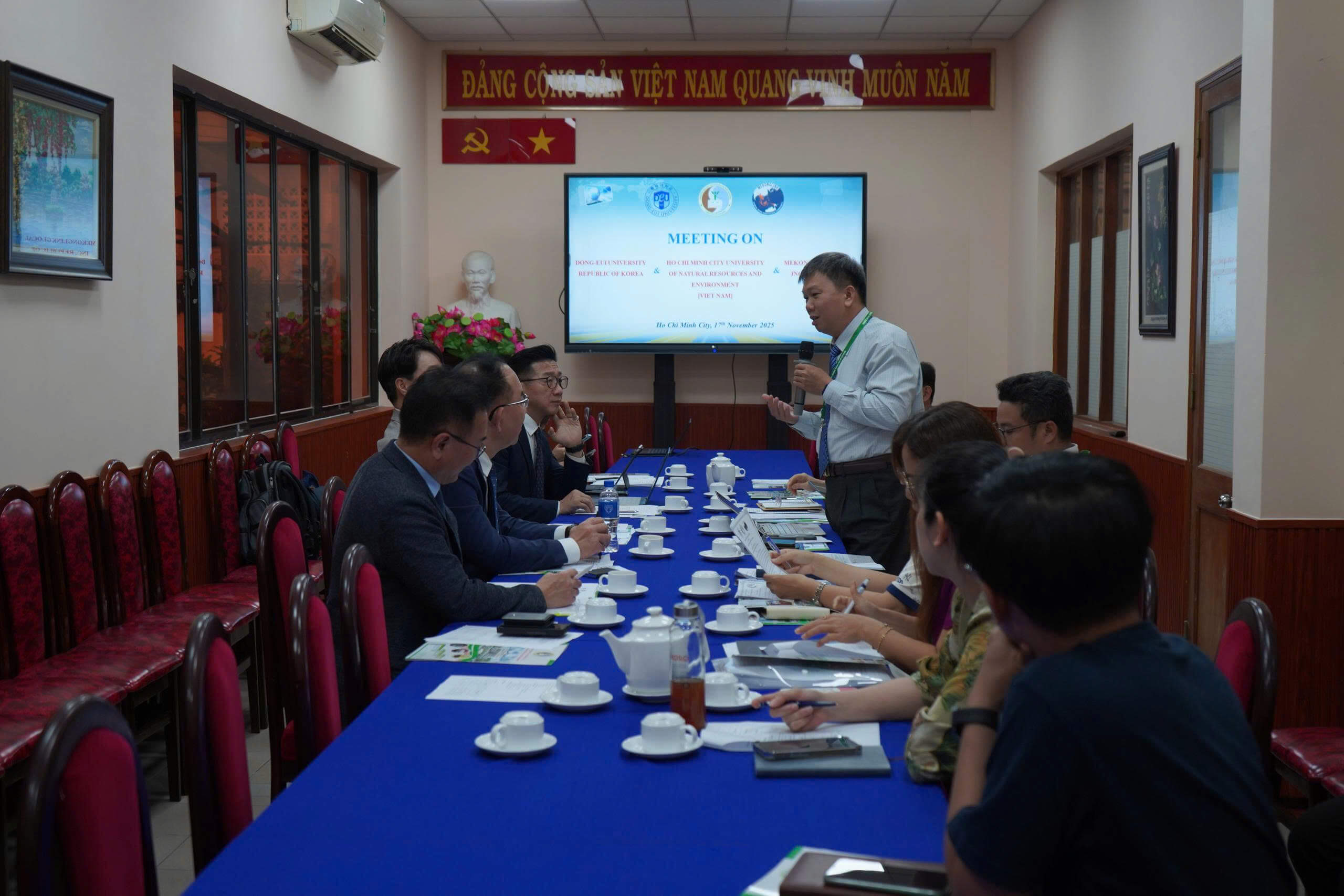
Figure 1 – Overview of the working session
The delegation from Ho Chi Minh City University of Natural Resources and Environment (HCMUNRE) included: Assoc. Prof. Dr. Le Hoang Nghiem – Vice President; Dr. Le Thi Kim Thoa – Deputy Head of the Department of Science, Technology Management and External Relations; Assoc. Prof. Dr. Nguyen Lu Phuong – Vice Dean of the Faculty of Environment; Dr. Ly Cam Hung – Dean of the Faculty of Applied Sciences; Dr. Can Thu Van – Dean of the Faculty of Meteorology, Hydrology and Water Resources; Dr. Nguyen Thi Phuong Thao – Vice Dean of the Faculty of Meteorology, Hydrology and Water Resources; and Dr. Vo Thi Tuyet Mai – Head of the Department of Academic Affairs.
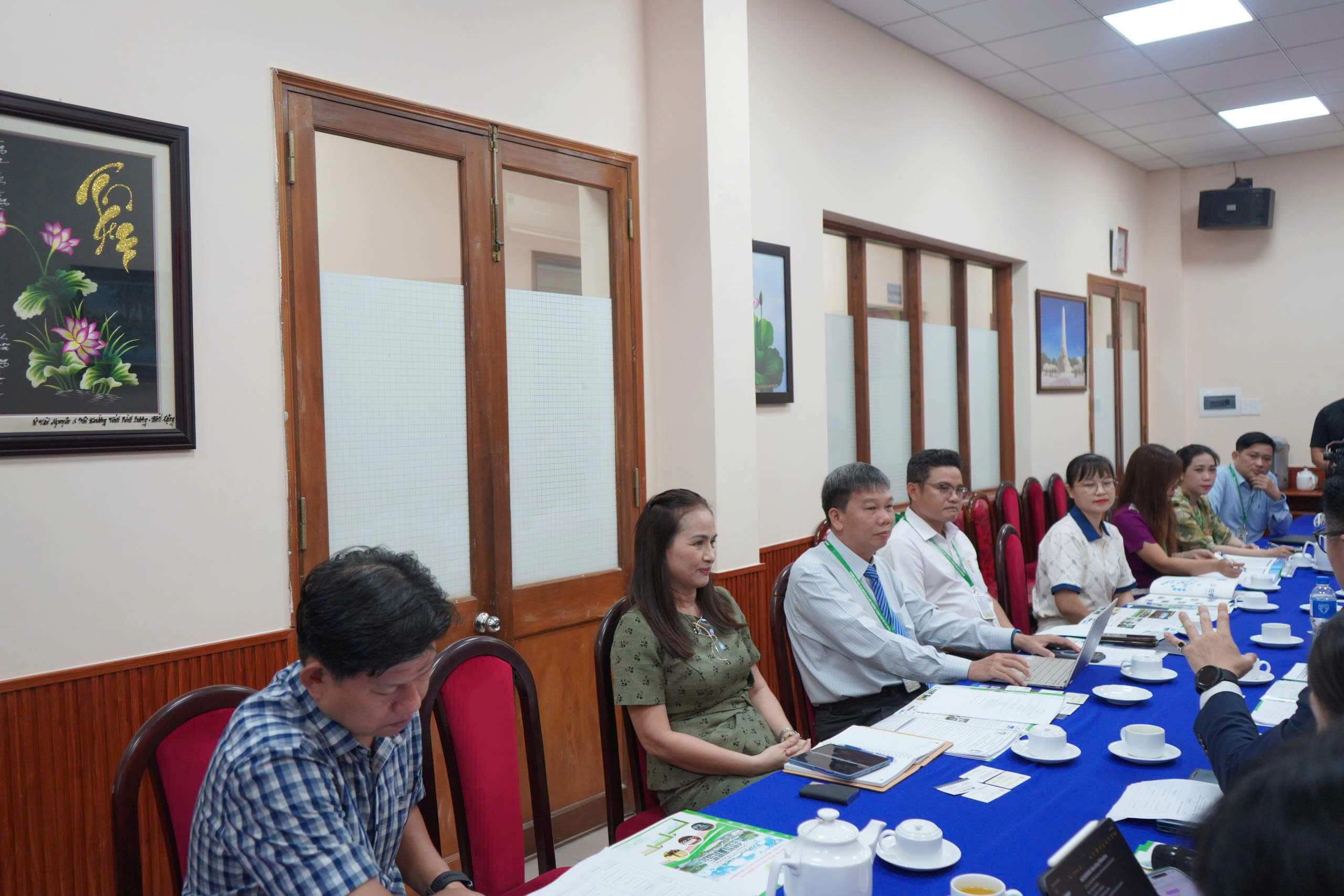
Figure 2 – Representatives from HCMUNRE
The delegation from Dong-Eui University (DEU), Busan, Korea consisted of: Mr. Han Soo Whan – President; Mr. Lee Im Geun – Vice President for External Affairs; Mr. Bae Gum Kwang – Head of the Office of International Cooperation; and Mr. Kim Kyeong Soo – Director of the Office of the President.
Representatives from MekongLink Glocal Inc., Korea included: Mr. Kim Wan Jin – Chief Executive Officer (CEO); Ms. Le Thi Kieu Loan – Operation Manager; Ms. Nguyen Thi Thu Thao – Community Manager; and Mr. Duong Le Cao Ky – Management Assistant.
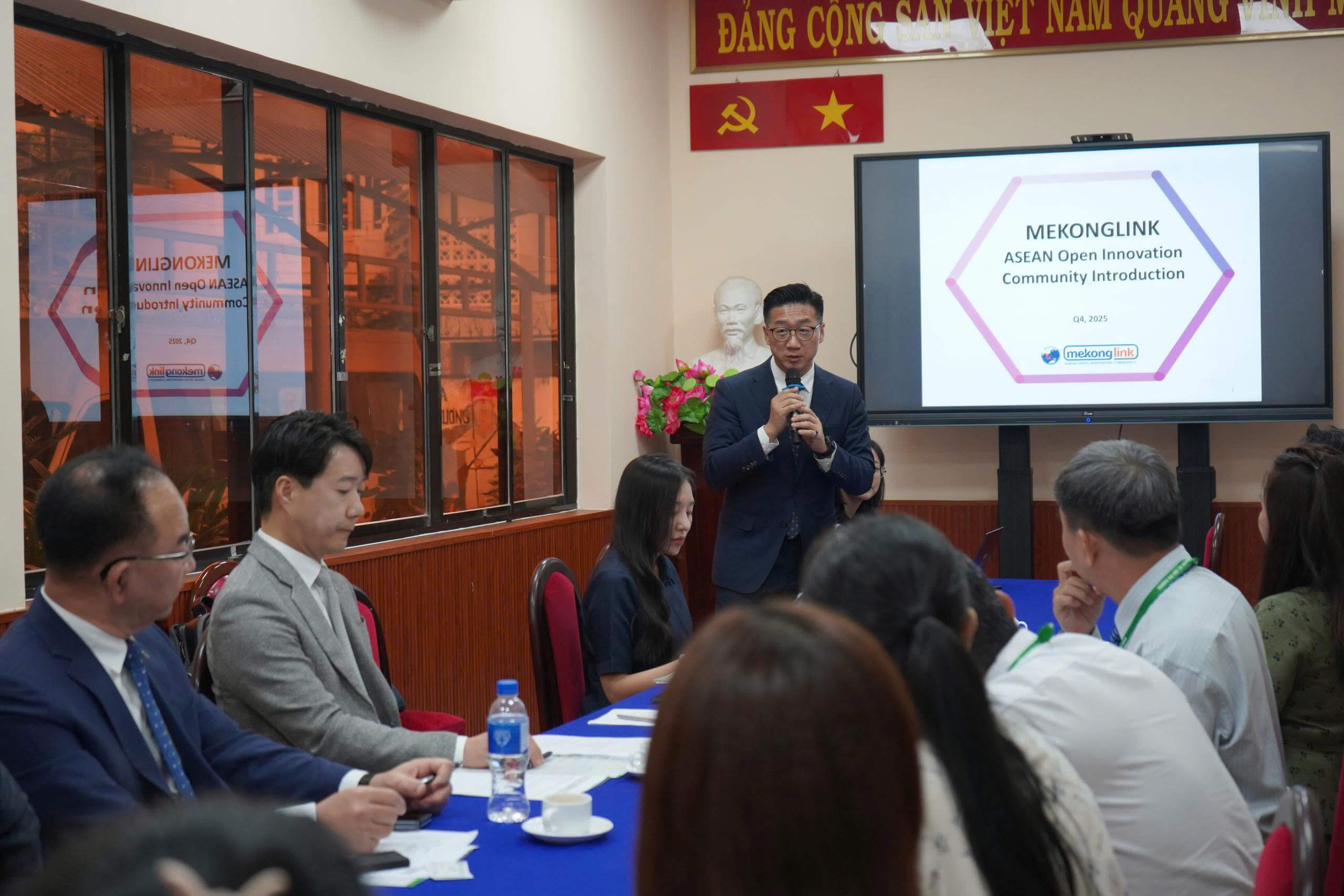
Figure 3 – Delegates from Dong-Eui University and MekongLink Glocal Inc.
This working session formed part of HCMUNRE’s ongoing efforts to strengthen external relations and expand international cooperation in higher education, scientific research, and high-quality human resource development.
- Purpose and Significance of the Working Session
The session aimed to facilitate comprehensive discussions regarding potential strategic collaboration among the three institutions. Major areas of interest included developing internationally oriented training models, promoting applied scientific research, and creating a diverse and integrated academic–internship environment for students of both HCMUNRE and DEU. In the context of increasing global integration in higher education, the discussed cooperation initiatives are expected to significantly enhance training quality, broaden international learning opportunities, and promote academic exchange for students.
- Key Discussion Areas
– Student Exchange Program for the D2–6 Scheme
The parties engaged in detailed discussions on the coordination framework for implementing the student exchange program. Key topics included:
Eligibility requirements and criteria for student selection;
Study pathways and mechanisms for mutual credit recognition aligned with international standards;
Support policies related to tuition, scholarships, accommodation, and student services;
Expected benefits of the exchange program, including improvements in language proficiency, intercultural competence, and academic experience within a Korean university environment.
The D2–6 Program was highly evaluated for its practicality and significance in strengthening academic connectivity and cultural exchange, while supporting students in developing a global outlook.
– University–Industry Cooperation among HCMUNRE, DEU, and MekongLink
The second segment focused on the tripartite cooperation model involving university–university–enterprise collaboration. Discussions highlighted:
Feasibility of implementing joint scientific research projects, particularly in areas of shared expertise;
Opportunities to expand application-oriented training that connects education with emerging technologies and practical learning models;
Collaboration with enterprises to provide student internships, professional skill development, and post-graduation employment prospects;
Exchange of experts and lecturers, and organization of international seminars and training programs to enhance faculty research and teaching capacity.
As an industry partner, MekongLink Glocal Inc. serves as a bridge connecting academic activities with labor market needs, thereby supporting the practicality and effectiveness of collaborative initiatives.
- Future Cooperation Directions
All parties affirmed that the working session laid an important foundation for long-term cooperation. In a spirit of mutual respect and consensus, the institutions agreed to:
– Continue exchanging information to finalize priority areas of cooperation;
– Develop a specific coordination framework for student exchange programs, joint research activities, and training collaboration;
– Initiate drafting and reviewing cooperation agreements, aiming to proceed with the signing of a tripartite Memorandum of Understanding (MOU) between HCMUNRE – DEU – MekongLink in the near future.
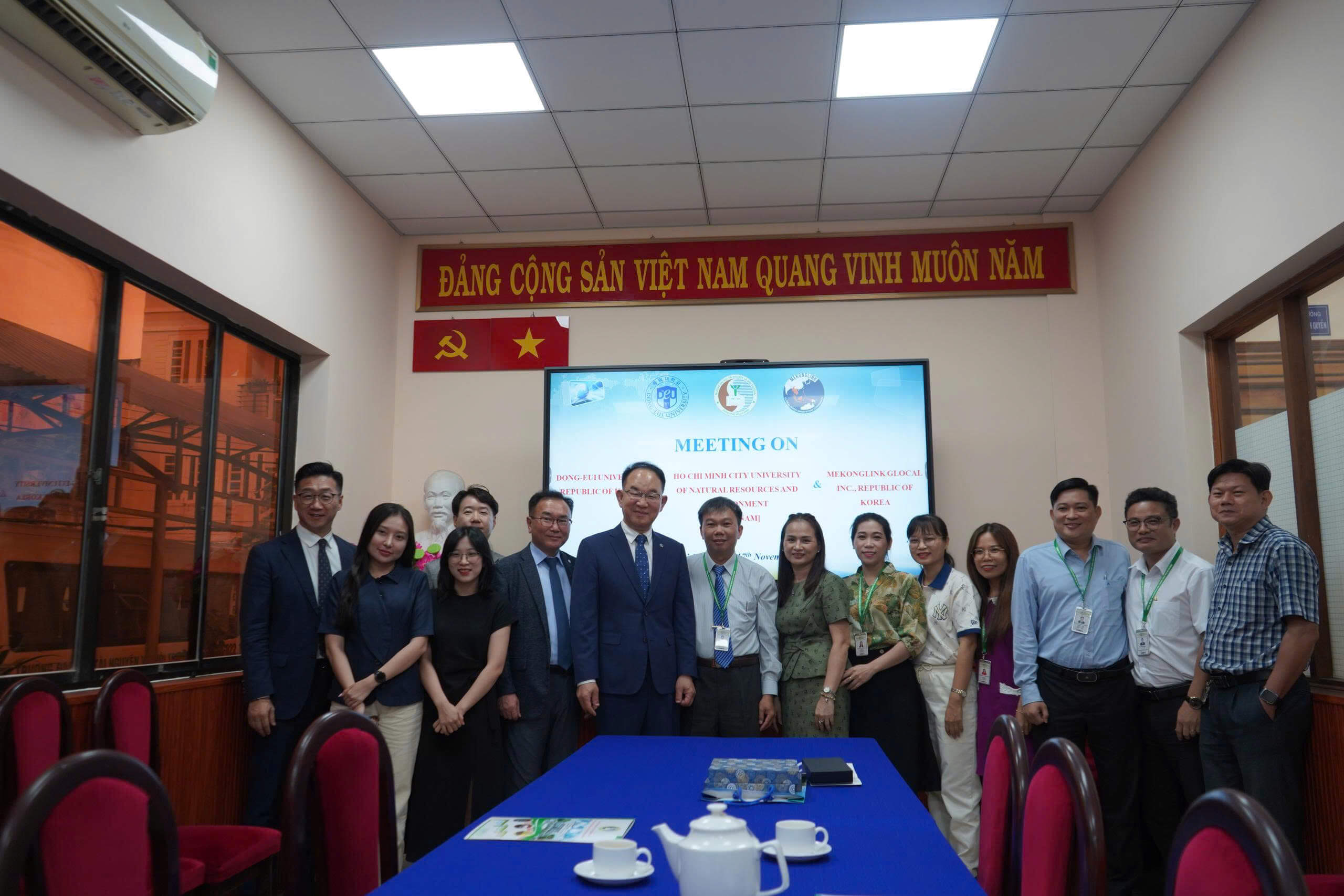
Figure 4 – Closing remarks by representatives of the institutions
The meeting concluded in a friendly, constructive, and highly collaborative atmosphere. The outcomes discussed during the session have established an essential basis for developing a strategic partnership among HCMUNRE, DEU, and MekongLink Glocal Inc., contributing to the advancement of education internationalization, enhancement of training quality, and expansion of learning and research opportunities for students and faculty.