

From March 13 to March 16, 2026, a training workshop with experts from the Estonian University of Life Sciences was held at Ho Chi Minh City University of Natural Resources and Environment. The workshop was jointly organized by Ho Chi Minh City University of Natural Resources and Environment and the Estonian University of Life Sciences. This activity aimed to strengthen international academic exchange, update professional knowledge in the fields of environmental science, natural resource management, and sustainable development, and create opportunities for the university’s lecturers and researchers to access modern research methods and analytical tools.
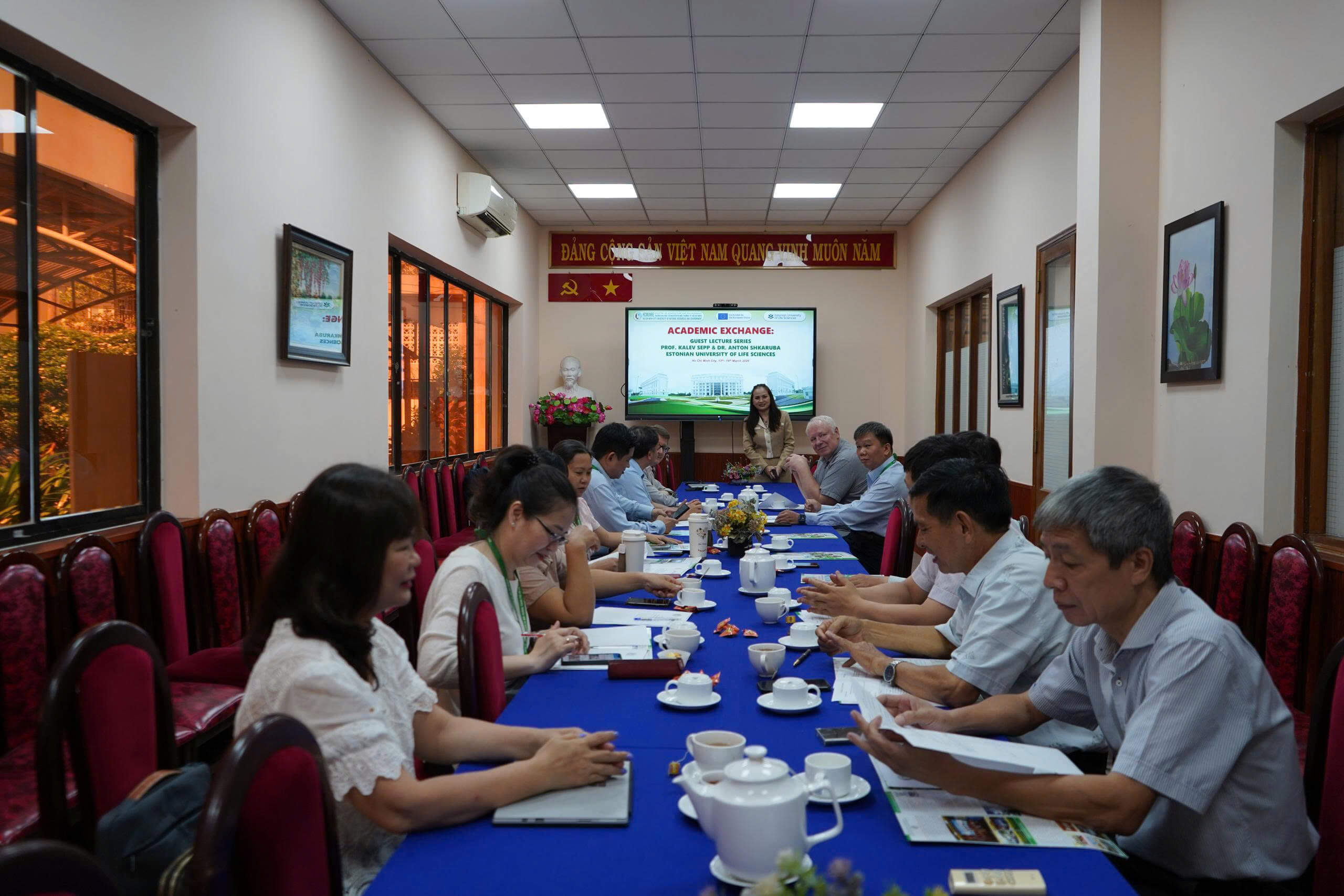
Figure 1. Overview of the training workshop at Ho Chi Minh City University of Natural Resources and Environment
From Ho Chi Minh City University of Natural Resources and Environment, the workshop was attended by Assoc. Prof. Le Hoang Nghiem – Vice President of the University; Dr. Le Thi Kim Thoa – Deputy Head of the Office of R&D; Assoc. Prof. Nguyen Lu Phuong – Vice Dean of the Faculty of Environment; and Assoc. Prof. Thai Phuong Vu – Vice Dean of the Faculty of Environment. The participation of the university’s leadership and representatives from professional units demonstrates the institution’s commitment and strategic orientation toward promoting international cooperation in education, scientific research, and academic exchange, particularly in areas related to environmental protection, natural resource management, and sustainable development.
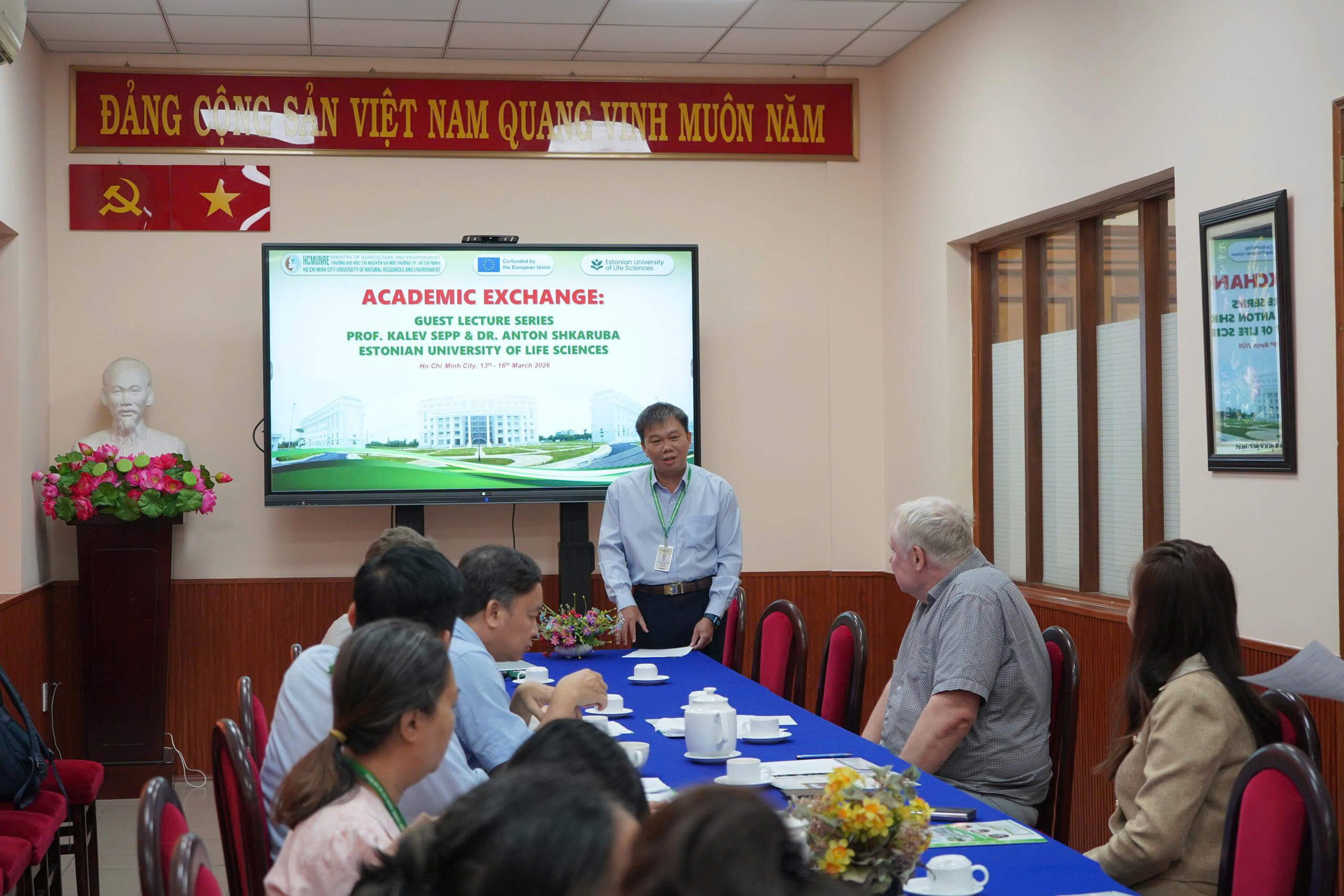
Figure 2. Representatives of Ho Chi Minh City University of Natural Resources and Environment
The training program featured experts from the Estonian University of Life Sciences, including Prof. Kalev Sepp, Head of the Department of Environmental Protection and Landscape Management, and Dr. Anton Shkaruba, Senior Researcher from the same department. With extensive experience in research and teaching in areas related to environmental management, ecosystem services, and sustainable development, the experts shared valuable professional knowledge and modern approaches to environmental science research. Their participation not only enhanced the academic quality of the training workshop but also promoted academic exchange, research collaboration, and the development of scientific networks between Ho Chi Minh City University of Natural Resources and Environment and the Estonian University of Life Sciences.
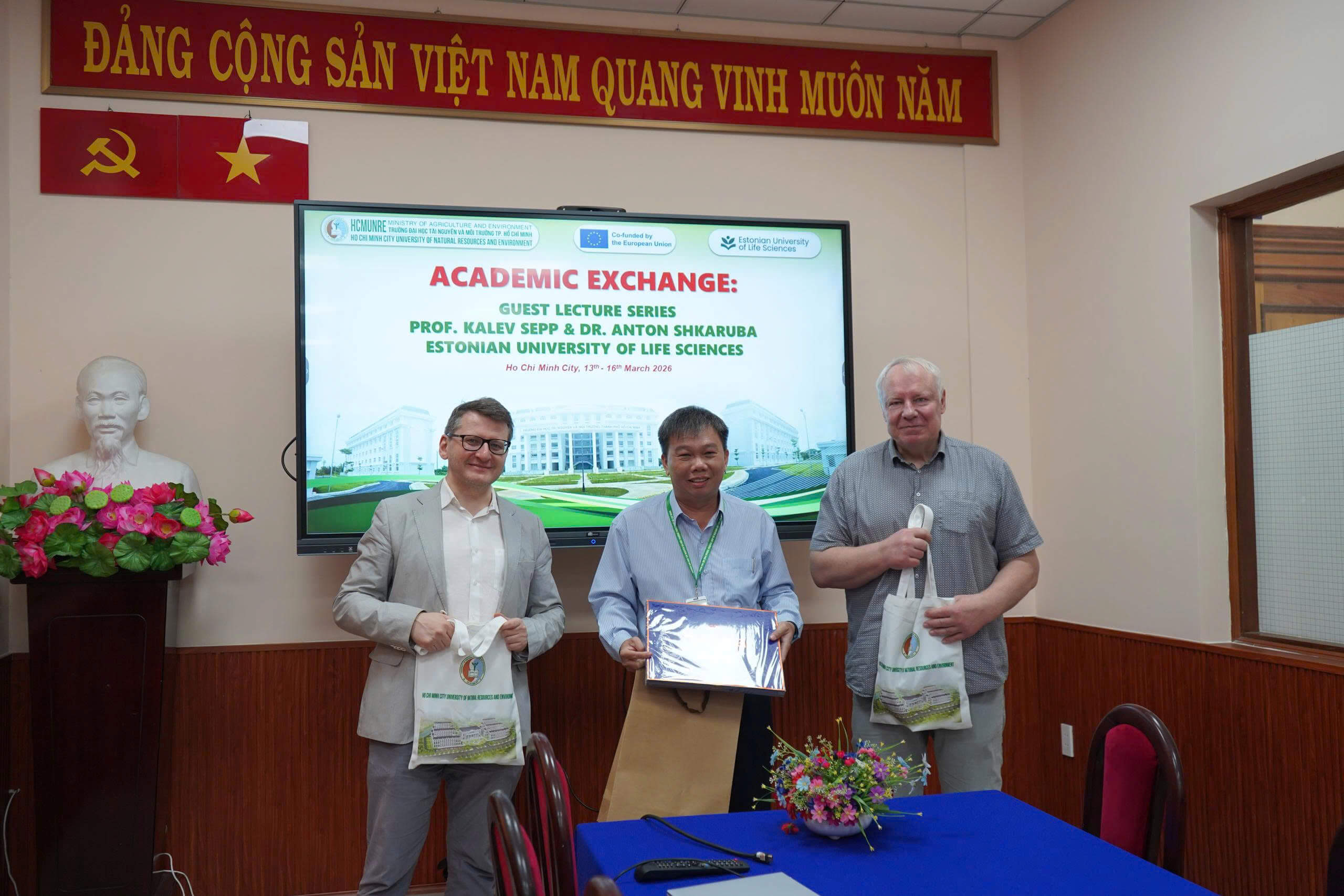
Figure 3. Experts from the Estonian University of Life Sciences presenting at the workshop
Within the framework of the training workshop, Dr. Anton Shkaruba delivered several specialized lectures related to ecosystem service management and sustainable development planning in the context of urbanization. In particular, the topic “Urban ecosystem disservices for the development of inclusive planning guidelines” analyzed the potential negative impacts of ecosystem services in urban environments, such as the increase of pest species, biological pollution, and issues related to the inappropriate distribution of green spaces. Based on this analysis, the lecture proposed planning orientations aimed at ensuring a balance between urban development and ecosystem conservation.
In addition, the topic “Innovations in green and blue infrastructure development: challenges and solutions for their transfer” introduced advanced models and solutions for green–blue infrastructure development while analyzing the challenges associated with transferring and implementing these models in different countries and regions. Furthermore, in the lecture “Introduction to sustainability indicators,” Dr. Anton Shkaruba provided an overview of sustainability indicator systems used in natural resource and environmental management, helping participants better understand methods for developing, selecting, and applying indicators in sustainability assessment and policy planning processes.
In parallel with these topics, Prof. Kalev Sepp delivered specialized training sessions focusing on research methods and analytical tools in the field of ecosystem services and environmental science. In the session “Mapping and Assessment of Ecosystem Services,” which combined theoretical lectures with practical exercises, Prof. Kalev Sepp introduced modern approaches to mapping, quantifying, and evaluating different types of ecosystem services. Participants were also guided on how to apply spatial analysis tools to support environmental research and management activities.
Following this, the topic “Application of Remote Sensing in Environmental and Agricultural Sciences” provided fundamental and updated knowledge on the use of remote sensing data in monitoring environmental changes, assessing land and water resources, and supporting management and planning in the agricultural sector. In addition, the topic “Economic and Social Methods for Assessing Ecosystem Services” introduced interdisciplinary approaches to quantifying the economic and social values of ecosystem services, thereby supporting decision-making processes in natural resource management and sustainable development.
Through thematic lectures combined with discussion and practical activities, the training workshop provided valuable academic knowledge and practical insights for lecturers, researchers, and participants. The shared content not only contributed to enhancing research and teaching capacity and the application of modern scientific methods in environmental and natural resource management fields, but also created opportunities to promote academic exchange, expand research collaboration, and develop joint scientific activities between Ho Chi Minh City University of Natural Resources and Environment and the Estonian University of Life Sciences in the future.
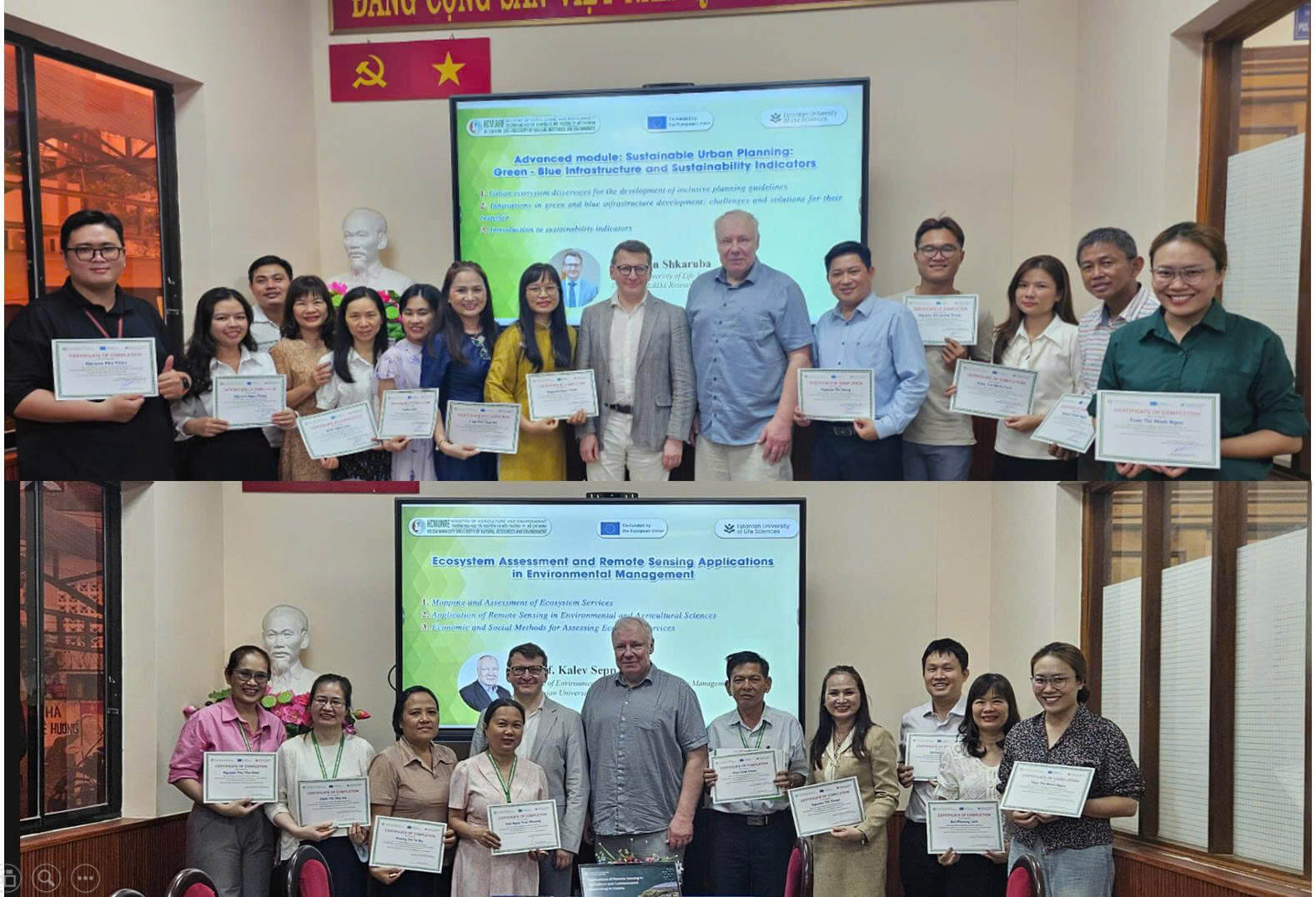
Figure 4. Delegates and experts taking a commemorative photo after the program
The training workshop with experts from the Estonian University of Life Sciences concluded successfully, contributing to strengthening the cooperative relationship between the two institutions in education, scientific research, and international academic exchange. It also serves as an important foundation for the two sides to continue implementing broader and deeper collaborative activities in the future, aiming toward sustainable development and improving the quality of education in the context of international integration.